Welcome to East Suburban Sports Medicine Center. Serving All Patients throughout Pittsburgh’s Eastern Suburbs.
Expert Orthopedic Care
If you're an athlete who's sustained an orthopedic injury, your biggest priority is most likely getting back in the game quickly and with full confidence in your performance. At East Suburban Sports Medicine Center (ESSMC), we understand your dedication to your sport and are committed to providing the highest level of orthopedic care possible. Our board-certified and fellowship-trained orthopedic physical therapists have extensive experience in sports medicine and are leaders in their field.
We offer a full range of orthopedic care services for athletes, including:
Physical Therapy
Athletic Training
Gait Analysis
Functional Capacity Evals
Sports Performance

Freedom From Chronic Pain
If you've been living with chronic pain, you know how it can negatively affect your quality of life. This is especially true for athletes, who may find that their pain limits their ability to participate in the activities they love. At ESSMC, our goal is to help you find relief. The pain management specialists at ESSMC are experts in treating chronic pain and will work with you to develop a customized treatment plan that fits your needs.
Our chronic pain management services include:
Fibromyalgia
Headaches
Complex Regional Pain Syndrome

Specialized Hand Therapy
Hand therapy is an important part of the recovery process for many orthopedic conditions, including carpal tunnel syndrome, tendonitis, fractures, and more. At ESSMC, our highly skilled hand therapists are specially trained in the rehabilitation of hand and upper extremity injuries and conditions. Our therapists work closely with our orthopedic surgeons to provide seamless care and ensure the best possible outcome for our patients.
Our hand rehabilitation services include:
Occupational Therapy
Splinting

Women's Health
East Suburban Sports Medicine Center and Resilient Women’s Health have teamed up to provide the most holistic care for women in Western Pennsylvania! Women need care from experts in women’s health who know the unique societal expectations, hormones, and anatomy that play a role in women’s health issues.
Our women's health services include:
Orthopedic & Sports Physical Therapy
Pelvic Floor Dysfunction & Pain

Pelvic Health
Pelvic health physical therapy is a specialized type of physical therapy that focuses on the treatment of conditions that affect the pelvic region. The therapists at ESSMC are specially trained in pelvic health physical therapy and offer a comprehensive approach to care that is designed to improve the quality of life for our patients.
Our pelvic health physical therapy services include:
Pelvic Floor Therapy
Incontinence
Prepartum Virtual Visits
Postpartum Virtual Visits

Vestibular Rehabilitation
Vestibular rehabilitation is a type of physical therapy that is used to treat conditions that affect the vestibular system, such as vertigo, dizziness, and imbalance. The therapists at ESSMC are specially trained in vestibular rehabilitation, allowing them to help patients regain their balance and improve their quality of life.

Workers Compensation

Functional Capacity Evaluation

 Rating
The One thing I disliked more than having surgeries was going to rehab, until I found Nicole at ESSMC, she makes rebuilding your body an informative, non-repetitious and knowledgeable experience, she takes her job very seriously. I hope the owners of ESSMC know what VALUE she adds to that facility, I’ve been to others and they don’t match up.
I've been seeing Craig and his staff at the Monroeville office for a while. Let me tell you that you will NOT find a better and more conscientious group than this one! I highly recommend them!!
Great service, great attentiveness.
ESSMC is amazing! They do such thorough work and really care about you! We were looking for the best care for our daughter and we found it with ESSMC! Mike is amazing to work with and went out of his way to make our daughter’s recovery feel like a priority! I would tell anyone to go there! Top notch care with top care providers!
The staff was very helpful and thorough in their treatment. The explanations of the issue and what to do in the future were very good. I would recommend them to anyone needing to have physical therapy.
Nick has been awesome in my recovery and therapy following my recent back surgery. Everyone has been professional and kind. Building towards a return to the golf course in the spring!
They are ALL very knowledgeable. Very kind to EVERYONE. Dave and his staff ALL work as a team together beautifully. Wonderful place to go to.
Matt took the time to find out my specific goals and help me get stronger. I highly recommend East Suburban sports medicine in Plum.
This is the place to go if you need physical therapy. Great staff very nice and friendly and knowledgeable. Go there if you need help you won't be sorry.
Lauren has been great at helping me regain my strength and flexibility in my shoulder. All of the exercises are easy to grasp and I feel that anyone who is in need of physical therapy would benefit from going to essmc!
Best place to go for your therapy. The entire staff is very friendly and knowledgeable. They take the time to get to know you personally and help you with your needs. I had surgery for a bad rotator cuff tear and Dave and all the therapist have been great. Everyone is helpful and makes sure you understand how to do the exercises correctly. Dave my therapist has been awesome taking time to explain each process of my recovery steps and makes sure I’m comfortable with every aspect of it. Couldn’t recommend a better group of therapist to see you can tell everyone truly cares about the patients.
Nick and the entire crew at ESSMC are awesome. They are always ready to go when I arrive and have a direct plan in place for my PT needs.
Great staff, very attentive, and listened....if the need arises, I will certainly be back to visit them.
The occupational therapist Nicole is absolutely amazing. If you need occupational therapy, you have to go to her.
It's hard to admit your body can't handle activity the way it used to as you age. But when I overdo it, everybody at East Suburban Sports Medicine Center works hard to heal my latest injury so I can stay active. But that's not all they do. They also show me exercises and stretches I can do to prevent re-injuring myself!
Friendly, efficient, expe4rt care.
Very happy with the professionalism and effectiveness of you and your team and are pleased with the results of the therapy.
Vince P. and the team are AWESOME!!!!!
Outstanding experience at ESSM! Highly recommend
ESSMC has been woderful. The PTs and assistants are very friendly and personable. They are also very professional and outcome-oriented. I have seen improvements in my condition since I started going. You can tell that they enjoy helping people. Highly recommend for anyone looking for PT in the Penn Township area.
The staff working there are very friendly. The therapist Zack is truly nice and great to work with. He is extremely patient, caring and professional to best help the recovery of the patients. Many Thanks !!
Great place to do your physical therapy. Zach is very knowledgeable and understanding.
Dedicated, friendly and positive professionals help you every step of the way. They truly care.
I have seen Marielle three times now for benign paroxysmal positional vertigo (BPPV). She is wonderful! She completely explains the maneuvers she will be performing. She's highly knowledgeable and spends time answering questions. I never felt rushed at any appointment. Any future PT needs will be done at ESSMC.
very professional, friendly staff and on time
Everyone is super friendly and Lynn is absolutely amazing!!!! When I leave my pain is always down to about a 1 and I am able to do something’s that I have had to ask for help with before I started therapy with her.
everyone was very knowledgeable and kind
Lynn the physical therapist very professional and knowledgeable. I strongly recommend who needs a physical therapist to go here. As for me and my family I will never go anywhere else. Thank you do.
Wonderful employees who really know how to get you back to normal! Highly recommend them!
Nick quickly diagnosed and explained what was causing the pain in my foot, and began treatment the first day. It’s only been a few weeks and my foot pain is almost completely gone. ESSMC is the best.
Physical therapy at ESSMC is the very best. From the assessent to the exercise regiment the entire process is great. Vince is the very best.
This without question is the best place for recovery I’ve been to a few and I wish I would have started here. Thank Erica and Nicole !!!!!
I can't say enough about the staff and therapists at ESSMC. Everyone was positive and uplifting in the way they guided their clients through PT (aka "pain and torture") 😉. After 4 weeks of bi-weekly sessions I had major relief from the discomfort of a meniscus tear. My therapist, Vince, was so kind and encouraging, and I am so thankful that I was his client. I highly recommend ESSMC if you need to have PT at some point in your life. They're miracle workers ❤️.
I was a patient of Marielle Reynolds. I went with a vague diagnosis that she was able to test for,nd create a physical therapy program for. From the beginning, she was encouraging and made sure that the therapy was succeeding. When I asked about another problem I was having, she readily diagnosed and prepared an additional physical therapy program. From the start, she was so friendly and caring and encouraging. I would highly encourage anyone to schedule physical therapy with her. You won't be disappointed.
Friendly knowledgeable staff. Personalized treatment program. Phone app (Limber Health) makes it easy to follow your specialized treatment program at home.
Good
Spot on attention to detail with patients. This is my 2nd time choosing ESSMC & I'm happy with my decision
Marielle is the best. She has helped me recover from back surgery. The exercises she gave strengthen my back but also help me to lose weight and reduce my gut. I have a neurological disease and she works through it.
Great therapists, easy scheduling, and amazing results!
Exceptional care. Therapy is very personalized not one size fits all! Very pleased with the quality of therapy!!!
Dr. Nicole has been a lifesaver for me in my journey to becoming self sufficient again! I’ve been seeing her since June & the confidence I’ve gained with myself & my prosthetic arm is something I never thought would happen! I’m so excited to continue my occupational journey with her & see how far we can go!
Care is individualized. Friendly staff.
They are doing a great job getting me back to the life I had. Thank you !
Excellent care. Expert knowledge. Very respectful of your time.
Excellent service consistently. Very targeted therapy for many problems. Lauren, physical therapist, always provides top notch therapy.
Matt & Vince have done a wonderful job dealing with my son’s concussion and neck injury. Their knowledge and expertise along with their compassion has truly helped in his recovery process. I can’t thank them enough!
Everyone in this facility is very professional and well trained, from the PT’s to support staff. I was very impressed with the way Nick explained everything and advised why I was having pain post Total Knee Replacement. Very helpful and an awesome person.Highly recommend this facility.
Pleasant. Calm and cheerful!
I can't say enough good things about the staff at ESSMC Penn Hills or the level of treatment I am receiving there and this isn't my first "rodeo" there. Everyone has a positive helpful attitude ,and when I leave, I always feel better than when I came in. Both office clerks and PT assistants are quick to assist in any way,even before I can ask. This is constantly/everyday. Brian Neff, the therapist who I have been working with is exceptional. He is very knowledgeable,while being upbeat and positive,cheering you on. He goes out of his way to be extra helpful, even when it is very busy. Because of that I'm improving quicker than I thought possible with driving and other activities. Thank you so much Brian ! If you need physical therapy , ESSMC is the place to go!
Everyone in the office is friendly. The office island equipment is thoroughly cleaned after each patient. The therapist, Zac is very kind and extremely thorough. He is attentive to the reason you are there and watches you do your therapy so that you are doing the therapy correctly and are mot further hurting yourself. I highly recommend this facility and ask for Zac to be your therapist.
Visit Us at One of Our Nine Convenient Locations in the Eastern Suburbs of Pittsburgh, PA
All locations currently serve the PT and orthopedic care needs of east Pittsburgh's suburban patients and beyond, delivering unparalleled results-driven service with a staff that has more than 150 years of service combined. We invite you to consider the office nearest to you your #1 resource for all your rehabilitative needs - from non-surgical and post-surgical conditions, to sports injuries, to occupational therapy, and more
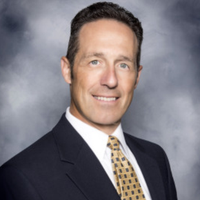
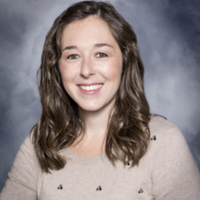
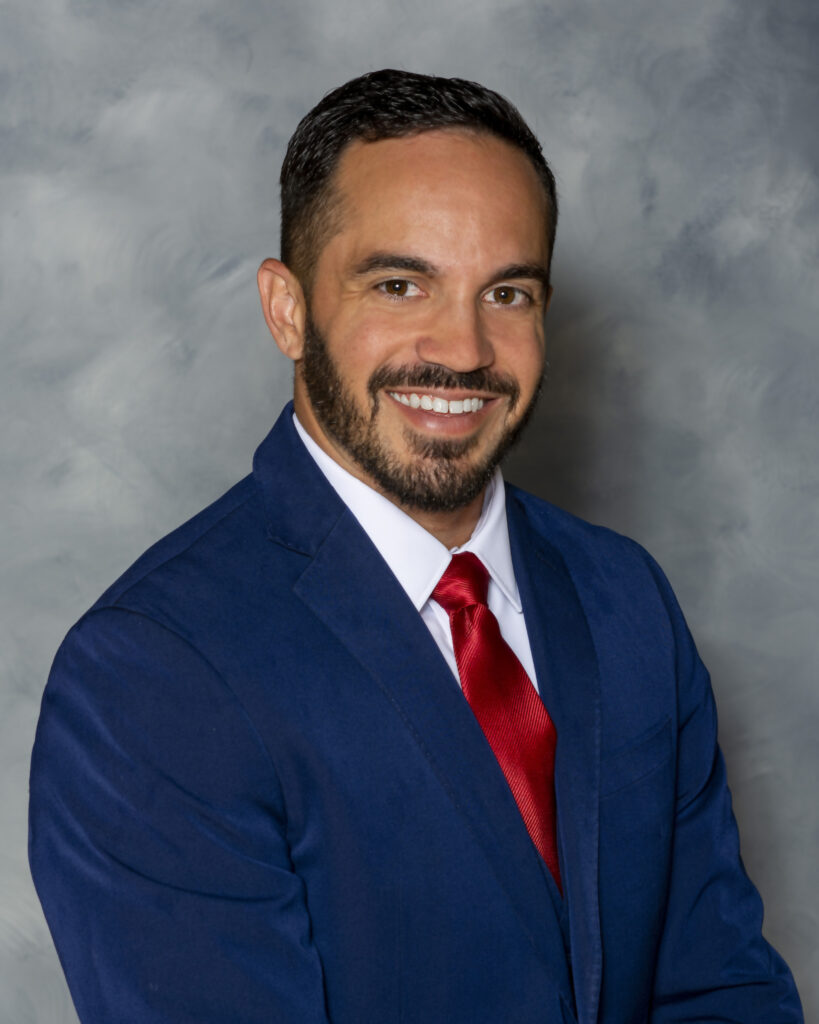
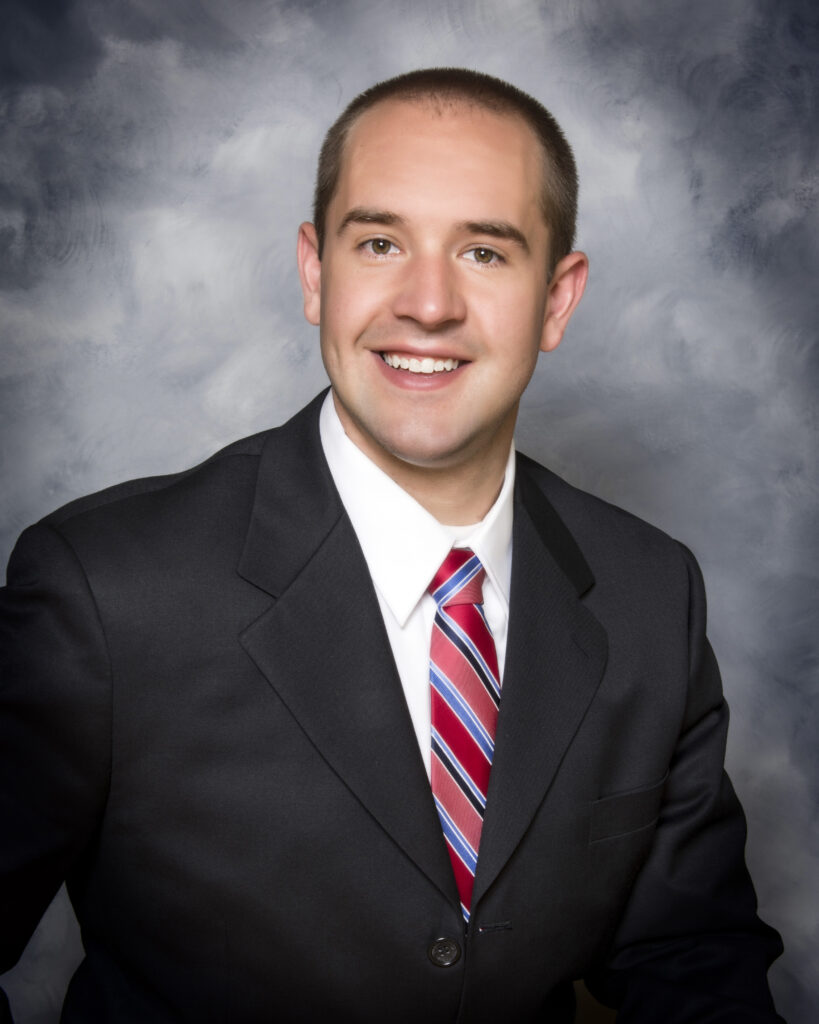
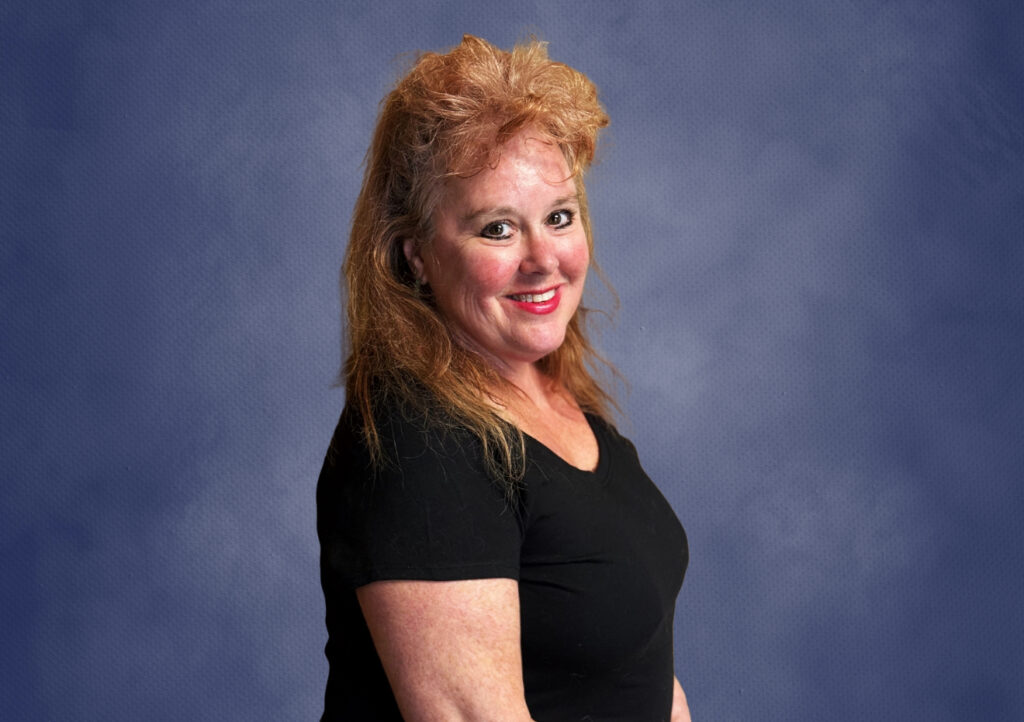
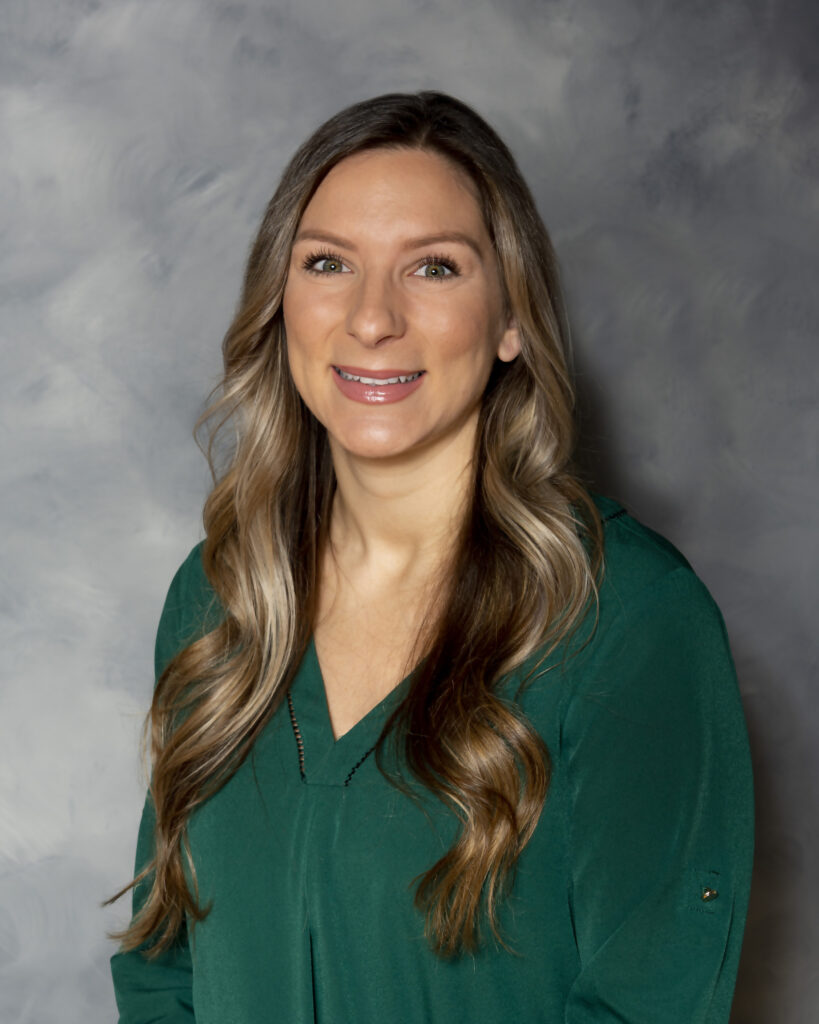
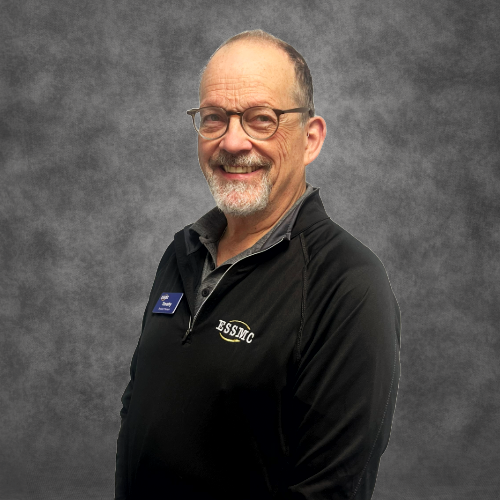
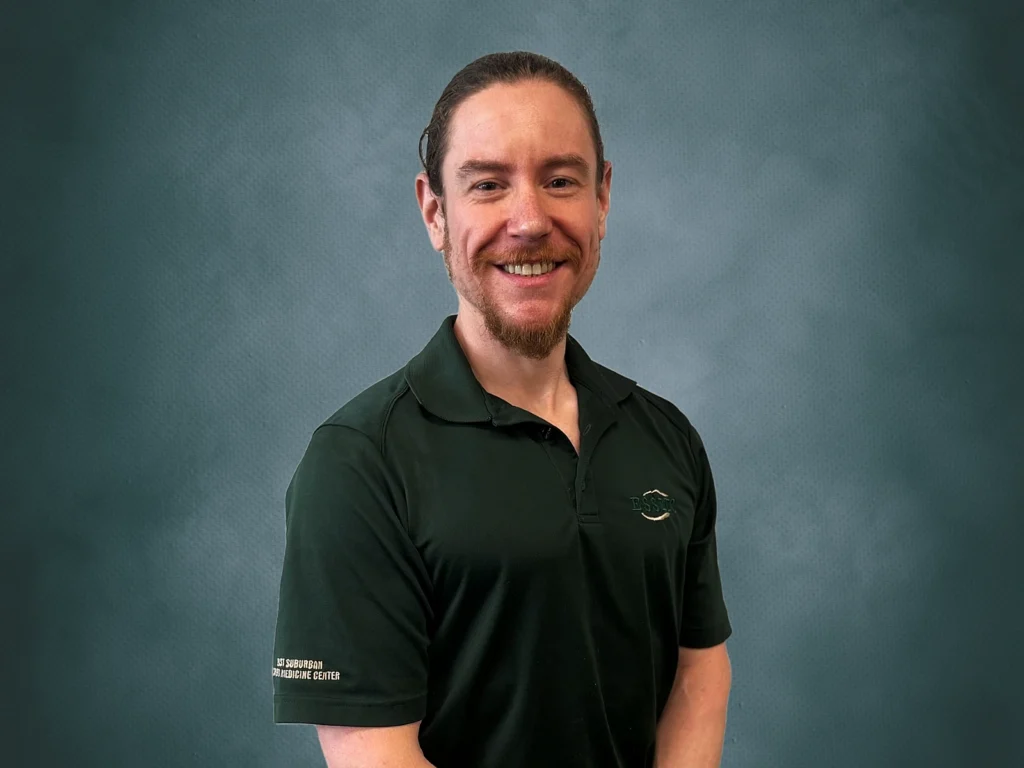
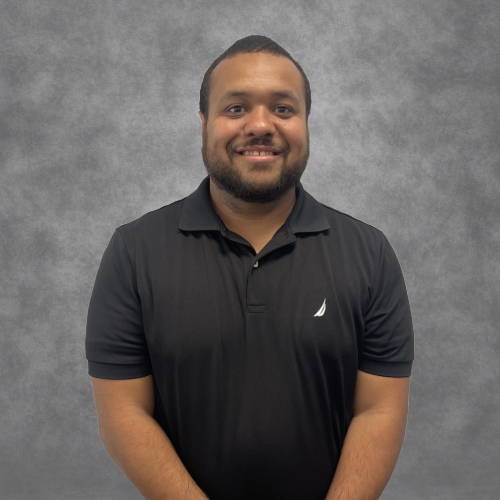
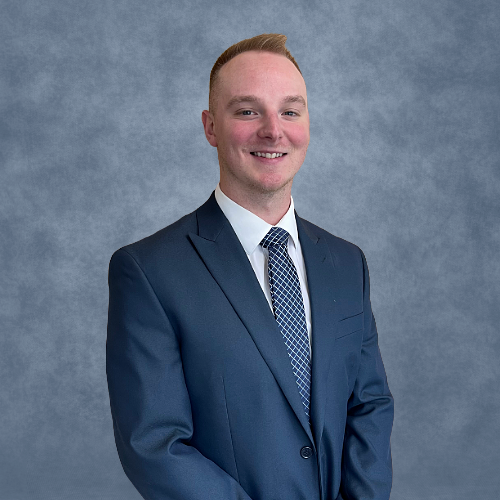
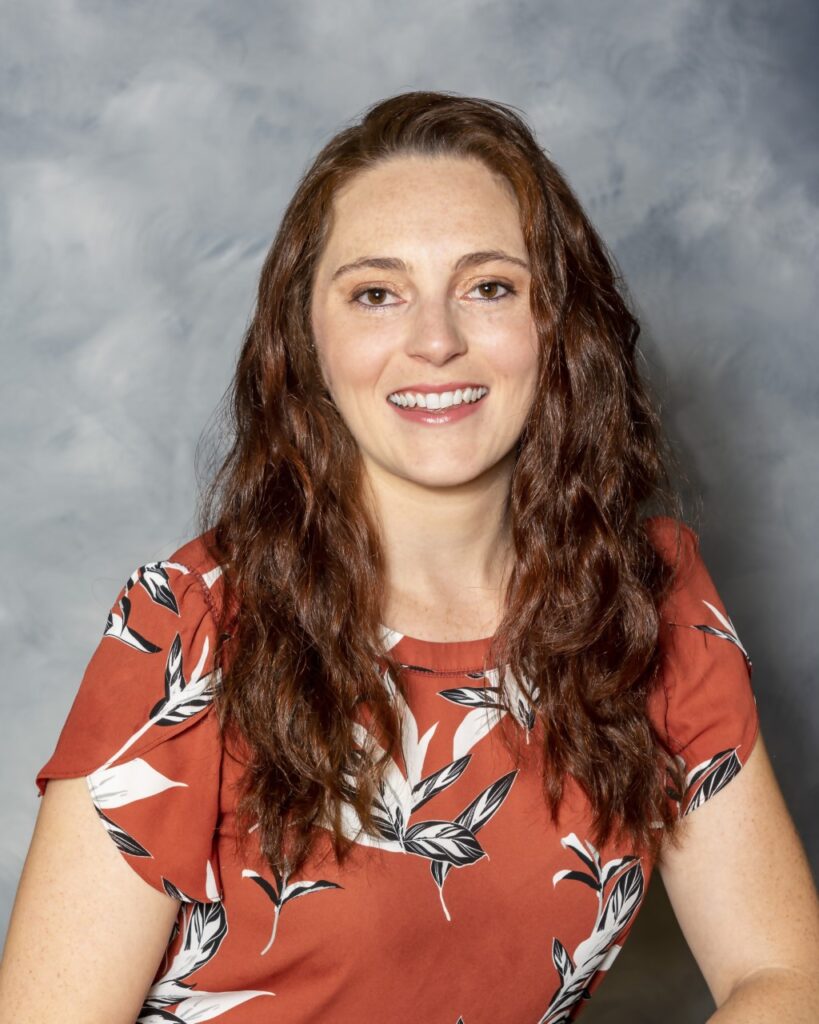
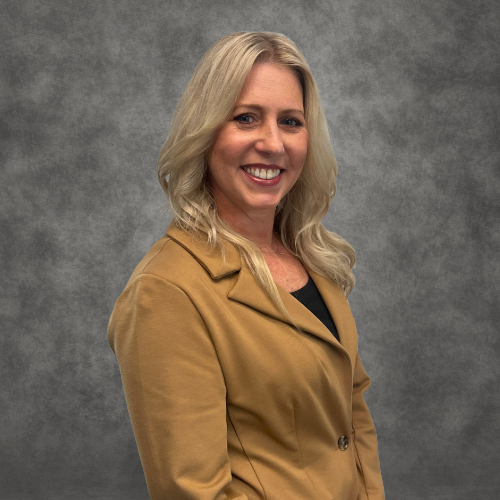
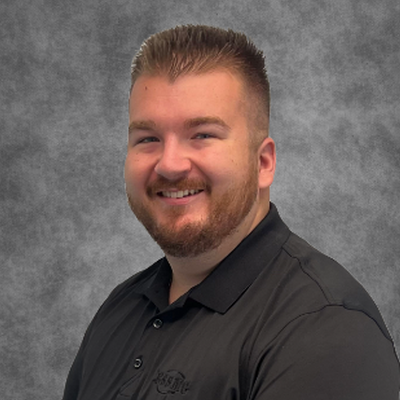
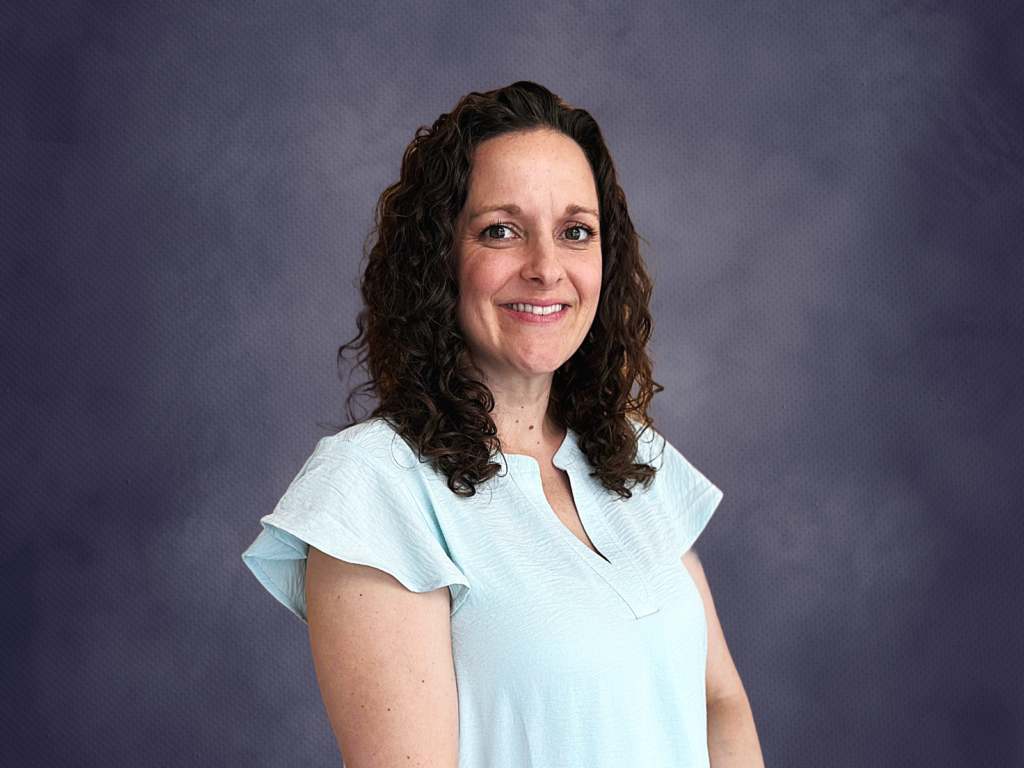
Meet Our Expert Care Team
Our East Suburban Sports Medicine practice staff includes therapists, nutritionists, and certified athletic trainers who are all skilled in the latest rehabilitation therapy methods. This diverse team allows us to support both individual patients and local sports teams through high-quality outpatient orthopedic, sports medicine, and physical therapy care in Pittsburgh's eastern suburbs.
We Diagnose and Treat a Wide Array of Physical Conditions
We Accept Most Insurance
The East Suburban Sports Medicine Center, or ESSMC, is able to work with a wide range of insurance policies. Please click the link below for the complete list. If you do not find yours listed, or have any questions related to coverage, please contact us as well as your insurance company. Our staff will do our best to answer your questions and help you prepare for your visit.

ESSMC - Physical Therapy Center Pittsburgh, PA
The East Suburban Sports Medicine Center (ESSMC) has more than 40 years of experience providing physical therapy, athletic training, and occupational therapy services to the East Pittsburgh area. Through our services and prescribed rehabilitation regimens to address specific injuries and illnesses, we help patients lead more comfortable and fuller lives.
Our services see fantastic success rates thanks to our staff, which has over 150 years of combined experience treating orthopedic and sports injuries. Our staff of therapists and certified athletic trainers are each skilled in the latest rehabilitation therapy methods. With diverse backgrounds in training and education alike, each team member brings with him/her the best from their particular physical therapy background and program. This allows our practice as a whole support to both individual patients and many local sports teams in their health needs and goals.