Welcome to East Suburban Sports Medicine Center. Serving All Patients throughout Pittsburgh’s Eastern Suburbs.
Expert Orthopedic Care
If you're an athlete who's sustained an orthopedic injury, your biggest priority is most likely getting back in the game quickly and with full confidence in your performance. At East Suburban Sports Medicine Center (ESSMC), we understand your dedication to your sport and are committed to providing the highest level of orthopedic care possible. Our board-certified and fellowship-trained orthopedic physical therapists have extensive experience in sports medicine and are leaders in their field.
We offer a full range of orthopedic care services for athletes, including:
Physical Therapy
Athletic Training
Gait Analysis
Functional Capacity Evals
Sports Performance

Freedom From Chronic Pain
If you've been living with chronic pain, you know how it can negatively affect your quality of life. This is especially true for athletes, who may find that their pain limits their ability to participate in the activities they love. At ESSMC, our goal is to help you find relief. The pain management specialists at ESSMC are experts in treating chronic pain and will work with you to develop a customized treatment plan that fits your needs.
Our chronic pain management services include:
Fibromyalgia
Headaches
Complex Regional Pain Syndrome

Specialized Hand Therapy
Hand therapy is an important part of the recovery process for many orthopedic conditions, including carpal tunnel syndrome, tendonitis, fractures, and more. At ESSMC, our highly skilled hand therapists are specially trained in the rehabilitation of hand and upper extremity injuries and conditions. Our therapists work closely with our orthopedic surgeons to provide seamless care and ensure the best possible outcome for our patients.
Our hand rehabilitation services include:
Occupational Therapy
Splinting

Women's Health
East Suburban Sports Medicine Center and Resilient Women’s Health have teamed up to provide the most holistic care for women in Western Pennsylvania! Women need care from experts in women’s health who know the unique societal expectations, hormones, and anatomy that play a role in women’s health issues.
Our women's health services include:
Orthopedic & Sports Physical Therapy
Pelvic Floor Dysfunction & Pain

Pelvic Health
Pelvic health physical therapy is a specialized type of physical therapy that focuses on the treatment of conditions that affect the pelvic region. The therapists at ESSMC are specially trained in pelvic health physical therapy and offer a comprehensive approach to care that is designed to improve the quality of life for our patients.
Our pelvic health physical therapy services include:
Pelvic Floor Therapy
Incontinence
Prepartum Virtual Visits
Postpartum Virtual Visits

Vestibular Rehabilitation
Vestibular rehabilitation is a type of physical therapy that is used to treat conditions that affect the vestibular system, such as vertigo, dizziness, and imbalance. The therapists at ESSMC are specially trained in vestibular rehabilitation, allowing them to help patients regain their balance and improve their quality of life.

Workers Compensation

Functional Capacity Evaluation

 Rating
They are good, they listen to your thoughts and seem to care! They have a great program and being I like do a lot of the exercises at home you can download the Limber app with all the exercises on the app!
My experience has been nothing but fantastic. I have to have neck surgery, but Lynn alleviated enough of the pain to where it’s bearable. I’m not afraid to admit it, but I was in tears so many days and it was the days that I wasn’t able to get the Physical Therapy and I know what helps and this is what helps until I have the surgery and afterwards I would trust no one else.
Staff are always friendly, attentive, and answer all questions to ensure the required exercises are done properly!
very friendly and knowledgeable staff
The staff, particularly, Matthew G, have been excellent.
I highly recommend Carolyn McElhaney for occupational therapy for hand injuries. I recently completed three months of OT with Carolyn for sprains of two fingers on my dominant hand. Carolyn is very knowledgeable but also attentive to her patients' individual needs and preferences. As a result of my sessions with Carolyn, I've seen significant improvement in the mobility and strength in my injured fingers. The other professionals and staff at the Monroeville location are very friendly.
This was such a great team. Very caring and professional. I would highly recommend.
Nick and the staff at the Plum office very knowledgeable, professional, and kind. I would definitely recommend..
Matt is great. The atmosphere of the entire practice and the rest of the staff are awesome. Matt spends time and listens to you. He spends time working on the problem area to help you get better. You can tell he loves his job. I would recommend Matt and this practice for all your PT needs.
Office is run well and therapists are friendly and helpful.
Dave and the staff are top notch would recommend.
I've been to a lot of different PT group over the pass 30 + years, I think East Suburban Sports Medicine Center is the best I been to. They have a very nice atmosphere Everyone knows & does there job. If you have a problem while doing a exercise just tell them, they want know & they don't get offended you telling them. They have other ways to work on that area so it don't hurt or make things worst. you always fell better when you leave there
Physical therapy at East Suburban was professional and pleasant. They helped me with my low back pain and I would go back again in the future. A great group of people!
Excellent
ESSMC Lauren the PT rep was the best and the dry-needling left me pain free for 5 days!
I was very skeptical when I started treatment, but boy was I wrong. The staff is very knowledgeable, professional and very friendly and kind. Relieve and reduction of pain was achieved after a few visits. Highly recommended!
My PT sessions have been very positive thanks to having Vince Pampena as my physical therapist. He is highly knowledgeable. In addition to that, he is compassionate, patient, and very encouraging. The clinic is very clean, and the staff is very friendly and welcoming. If ever I need PT in the future, it will always be at East Suburban Sports Medicine Center (Penn Hills).
I would recommend ESSMC for anyone that needs physical therapy. The staff is incredible.
Competent and caring staff.
I have had such a positive experience here, Lauren is great. I wanted to try the dry needling for my legs and feet with such discomfort and some pain. Lauren explains everything very well, the dry needling has helped me very much, less to no pain. I am walking better and able to do things that the pain made it difficult for me to walk a lot. The physical therapy for my ankles has improved my balance. The physical therapy also has strengthened my legs and I am improving walking up and down steps. Thank you Lauren for your help and knowledge! Facility is very clean and bright!
The PT is tailored to my therapy needs
Ricky at you your North Hunt8ngton location is tremendous. A major help with my therapy. Highly recommend.
Had a torn bicep tendon - had difficulty picking up a coffee cup. After 4 weeks of therapy and daily exercises, the arm came back to reasonable strength. Kudos to Dave Reynolds and the staff at ESSMC. On my was back to better health with my arm - I highly recommend the services at ESSMC Monroeville.
Highly competent and skilled staff; focused on the individual patient's goals, needs, progress and constraints. Overall, a challenging but rewarding experience. I made the right choice!
I have found that Jeannette is stellar in assessment and treatment of my injury.
Vincent is a great Physio Therapist because he understands my needs and does an excellent job addressing them ! Thanks, Philip G.
The staff treated me like a friend, not a patient. They listened to my concerns and adapted the routine to help with my troubled areas. I am very happy with the progress made and will continue the current routine hoping for more improvement.
I have been going to ESSMC for treatment for my injured knee. Lauren is kind, caring, and attentive. She is an excellent physical therapist and she is helping me feel better! I am more than pleased and would choose this practice again! Thanks, Lauren!
I am very pleased with the treatment I have received at this facility.
ESSMC has helped me manage my lower back pain tremendously!! I can say enough good things about my PT Therapist, Lauren Brennen! She is fantastic!!
All of the employees are professional, caring, kind, helpful and work together as a unified team. I highly recommend ESSMC!
Ultimate professionals, the team at ESSM is the best. My family has trusted in their assessments for years.
I started at ESSMC a couple weeks ago after I had my left knee replaced. Nickolas Gennuso is my assigned therapist, and he has done wonderful work with helping me get my mobility back to where it was before my surgery. I'm not there yet, but I have all the confidence in Nickolas and ESSMC that I will get there.
Matt is great, easy to work with. He recognized my multiple issues and is addressing them at each session. I leave the session feeling so much better. Great practice.
ESSMC - PENN HILLS is very helpful with PT. Vince gave excellent instruction and attention to help with my problems. All questions were answered and he gave me better understanding of my problems and how to help them. Ease of appointments and friendly atmosphere.
This place is GREAT and I highly recommend it to anyone who needs physical therapy!! Zak, my therapist and the assistant, Stephani are fantastic. Zak explains everything to me in language I understand, and Stephani is there to check up on me if I need anything. She is quick and thorough in what she does at her job..the receptionist Meagan is so sweet and helpful and will answer your questions without hesitation. Ive been to other PT places, so Im here to tell you...you wont go wrong by choosing ESSMC as your next PT.
Excellent instruction and attention. Ease of appointments and friendly atmosphere.
Great Place. Anna and everybody there do a great job listening and adjust treatment accordingly. Have come here for both hip and knee replacement, and they made recovery easier each time.
I have received therapy at two ESSMC locations; about two years ago at the one in Plum and more recently at the one in Murrysville. Both locatoins gave me excellent therapy. I feel fortunate that I'm receiving therapy from Tim McHenry who has introduced me to dry needling. There are a couple of other therapists at that location who are also providing that therapy. I am extremely satisfied with my treatment and would highly recommend ESSMC to anyone requiring physical therapy.
Excellant attention to detail. Serving patients well.
Anne is very knowledgeable and personable. You can tell she wants the patient to be successful. Anne and the entire staff is always pleasant and helpful.
Katelyn is my therapist and she is the best. She is so caring and gentle and answers all of my questions and explains everything. I looked at several PT places and I'm so pleased that I chose ESSMC and that Katelyn is my therapist.
After three ACL surgeries, ESSMC has been there to provide ongoing support and encouragement throughout my rehabilitation process. The Murrysville office has been outstanding every single time. The staff is knowledgeable, supportive, and truly invested in their patients’ recovery. They create personalized treatment plans, push you to improve safely, and make the rehab process much easier to manage. Everyone is professional, friendly, and encouraging, which makes a huge difference during recovery. Thanks to their expertise and care, I’ve been able to regain strength and confidence after each surgery. Highly recommend to anyone needing physical therapy!
Fantastic physical therapists here.
I am 67 years old and this is my first experience with PT. Everyone here is so friendly, greeting all patients and giving lots of positive feedback and encouragement too. Personally I like that everything is explained and my homework is printed out for me so I don’t have to rely on memory.
Very friendly and knowledgeable and they don't beat you up to bad...😄
I've been to several PT establishments in the area and they don't come close to what Lauren does with a client. Wouldn't go anywhere else.
I’ve been at ESSMC since 1 week post op. Katelyn is absolutely phenomenal! She works one on one and is great at listening. I am now 3 weeks post op and have nothing but good things to say about the level of care that I have received from the team at ESSMC - North Huntingdon. I look forward to continuing my recovery journey with them!
Katie is excellent! Rachel is a great help!
ESSMC was very easy to schedule with. They communicated appointments and have an amazing app that allows you to review exercises. Mathew was an excellent therapist. I highly recommend him and ESSMC.
Visit Us at One of Our Nine Convenient Locations in the Eastern Suburbs of Pittsburgh, PA
All locations currently serve the PT and orthopedic care needs of east Pittsburgh's suburban patients and beyond, delivering unparalleled results-driven service with a staff that has more than 150 years of service combined. We invite you to consider the office nearest to you your #1 resource for all your rehabilitative needs - from non-surgical and post-surgical conditions, to sports injuries, to occupational therapy, and more
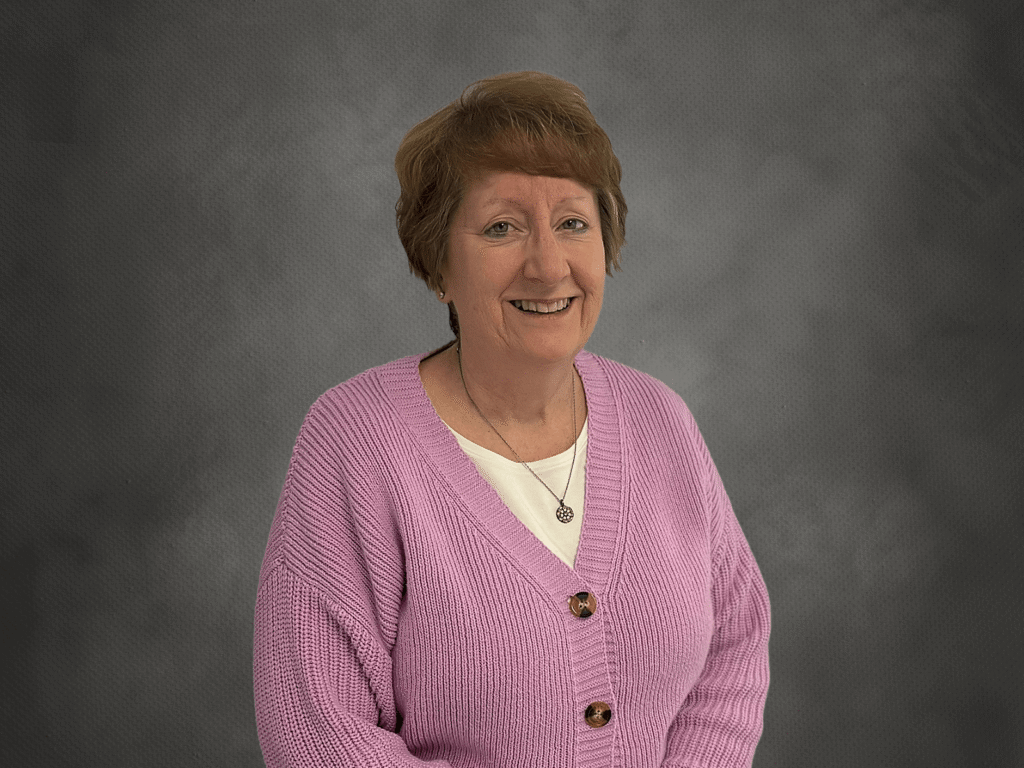
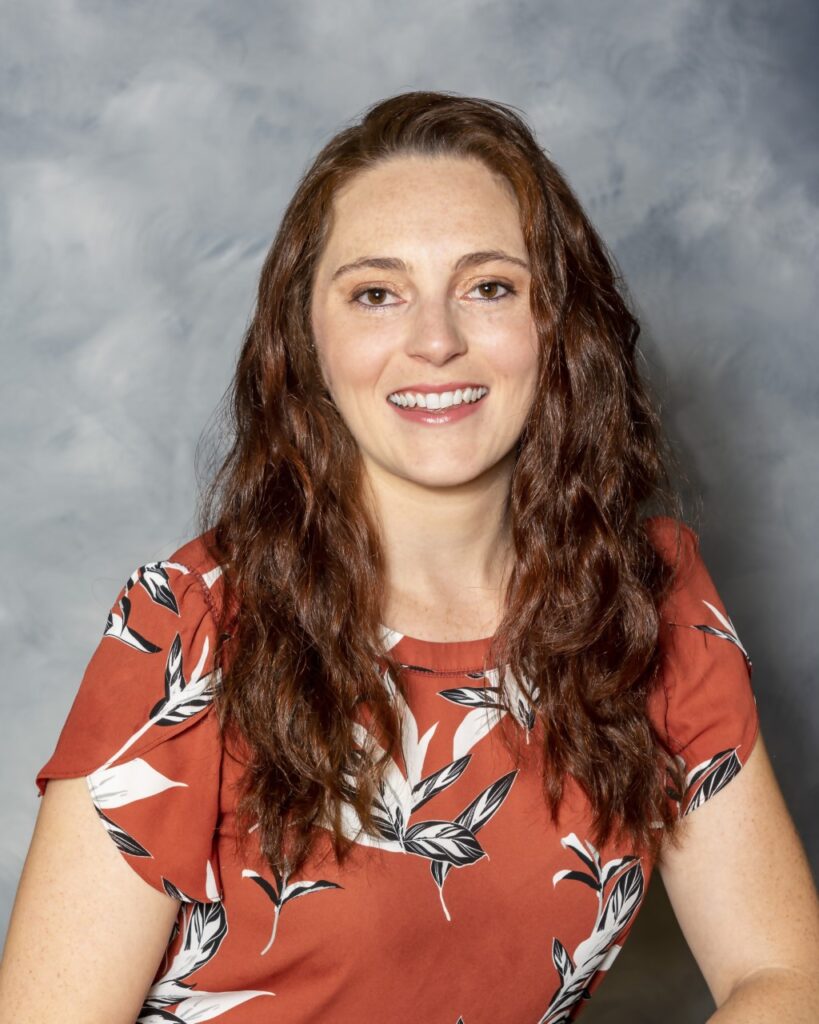
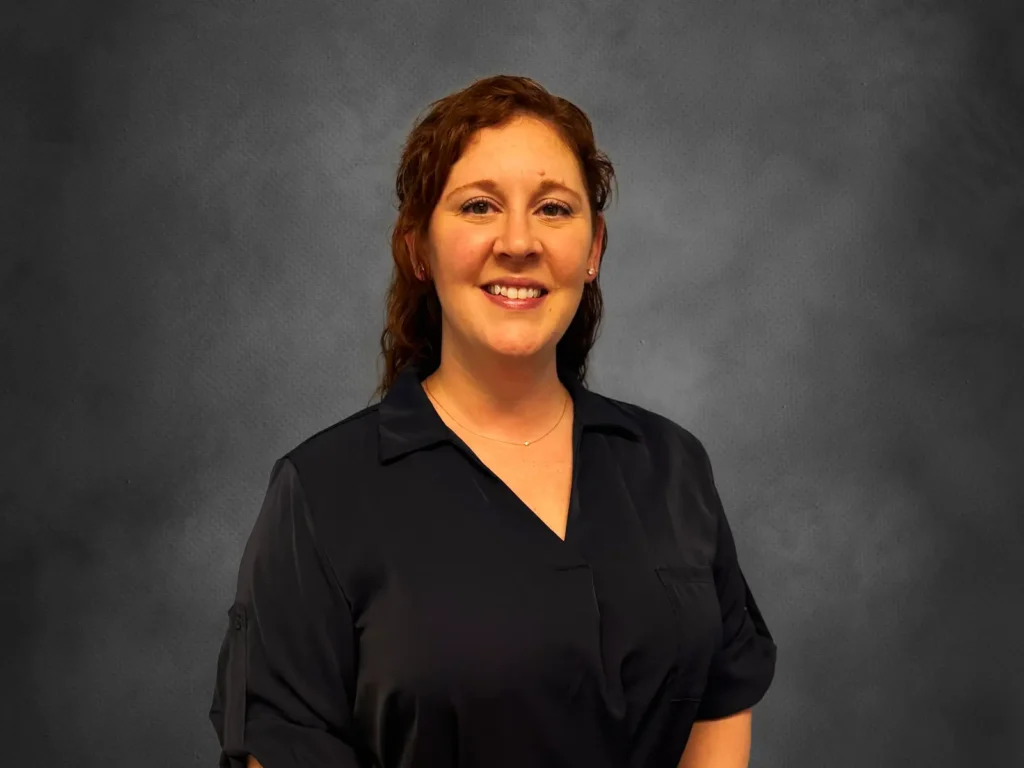
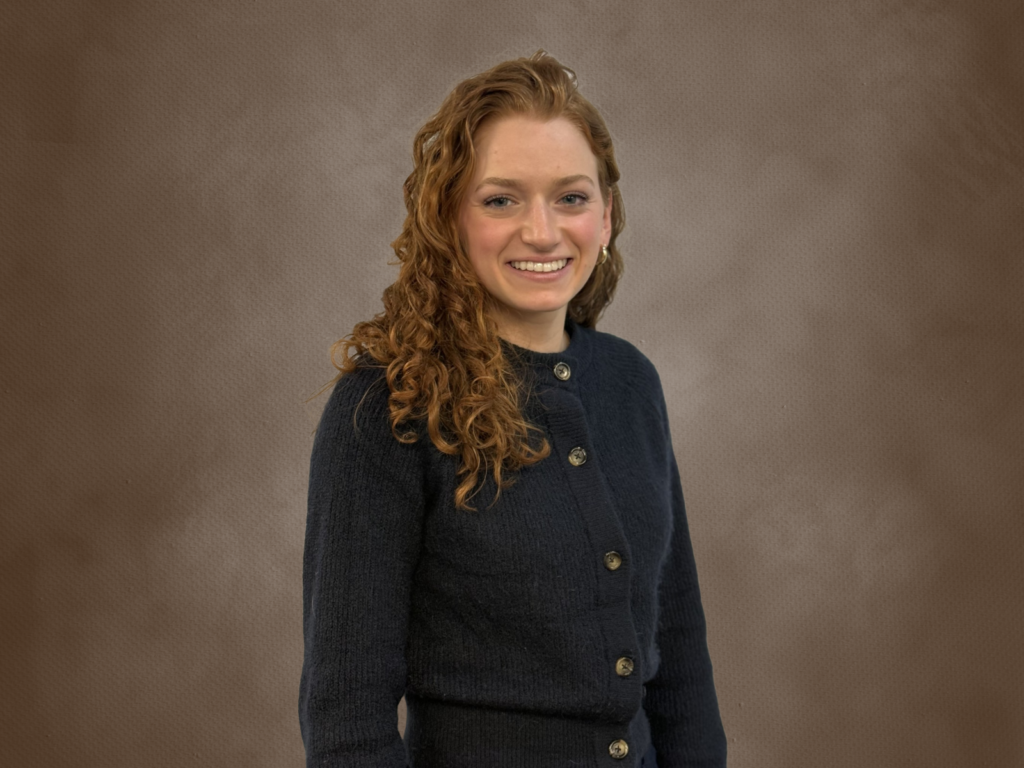
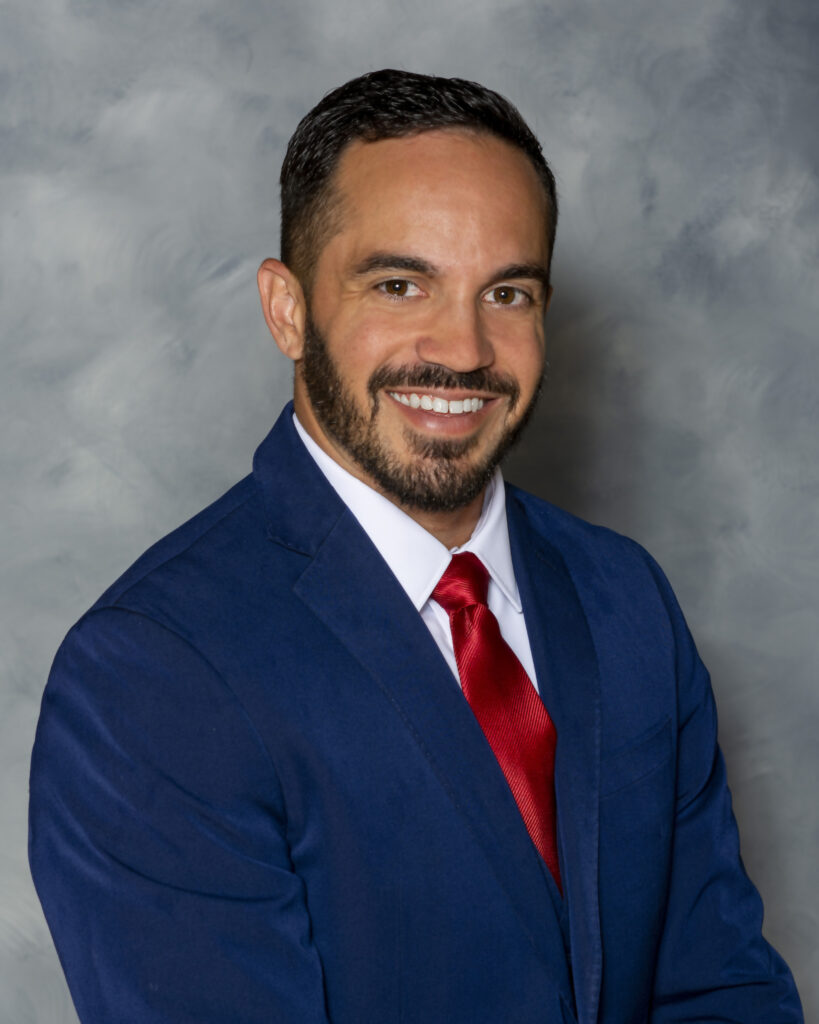
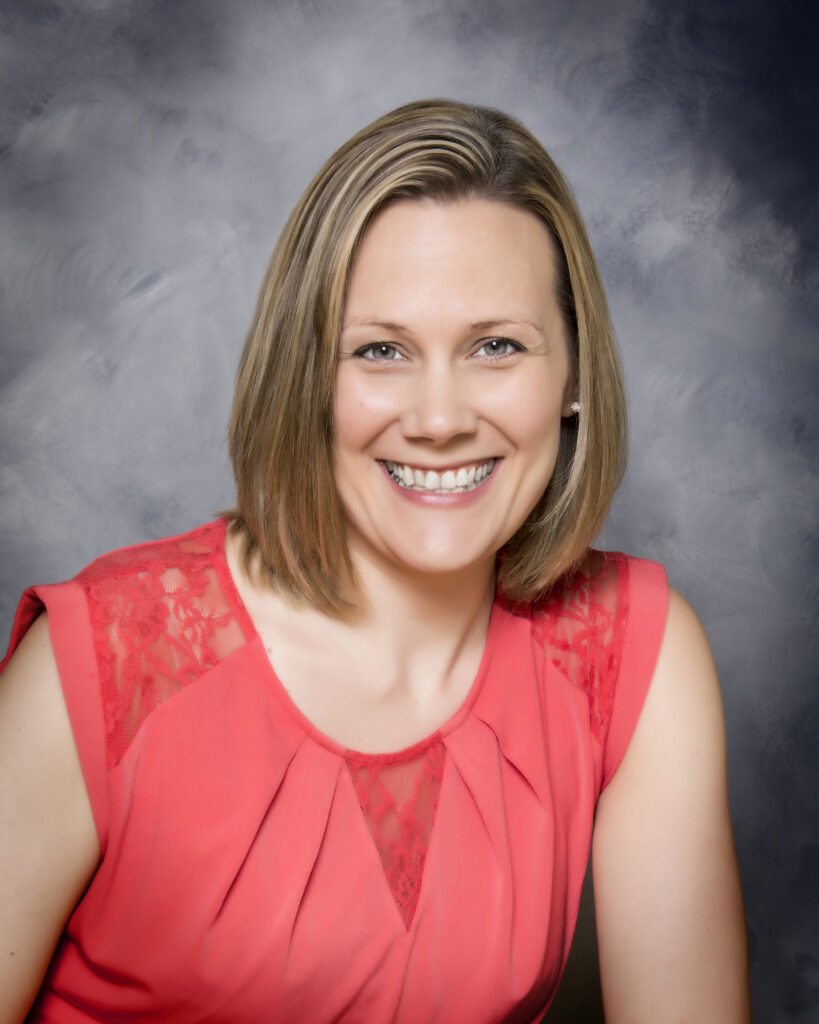
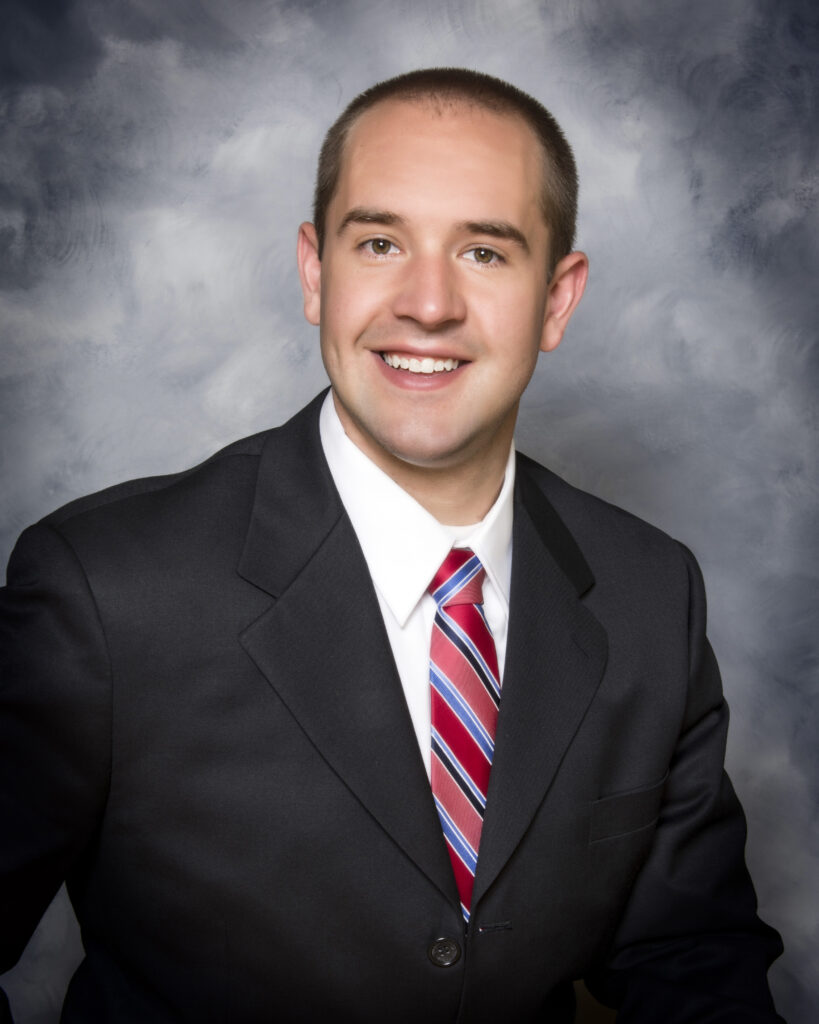
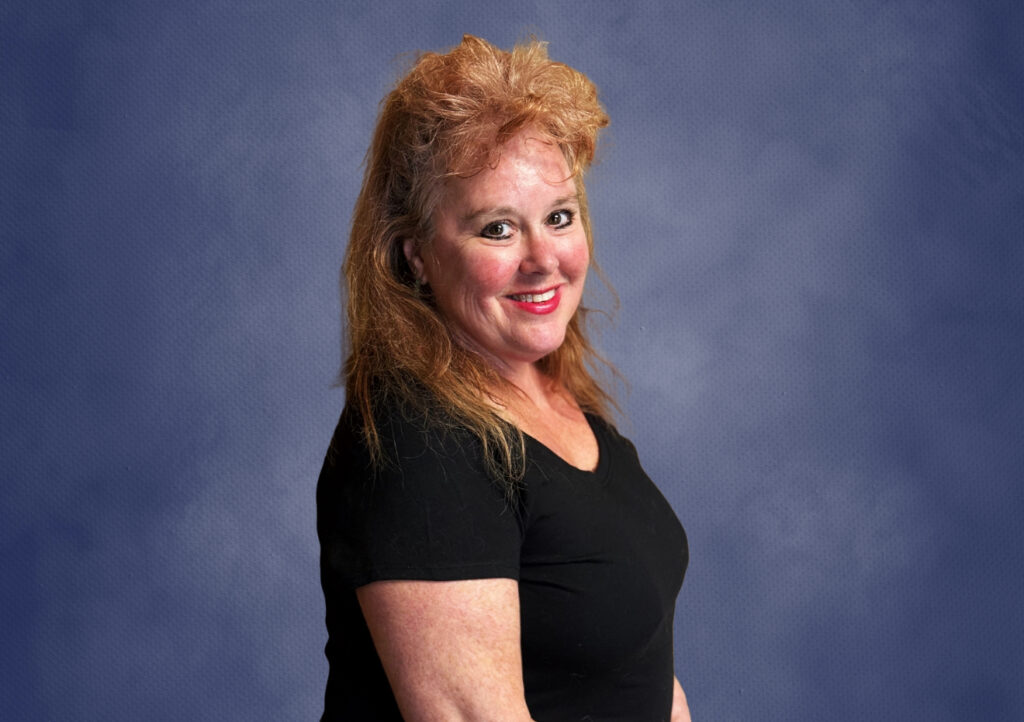
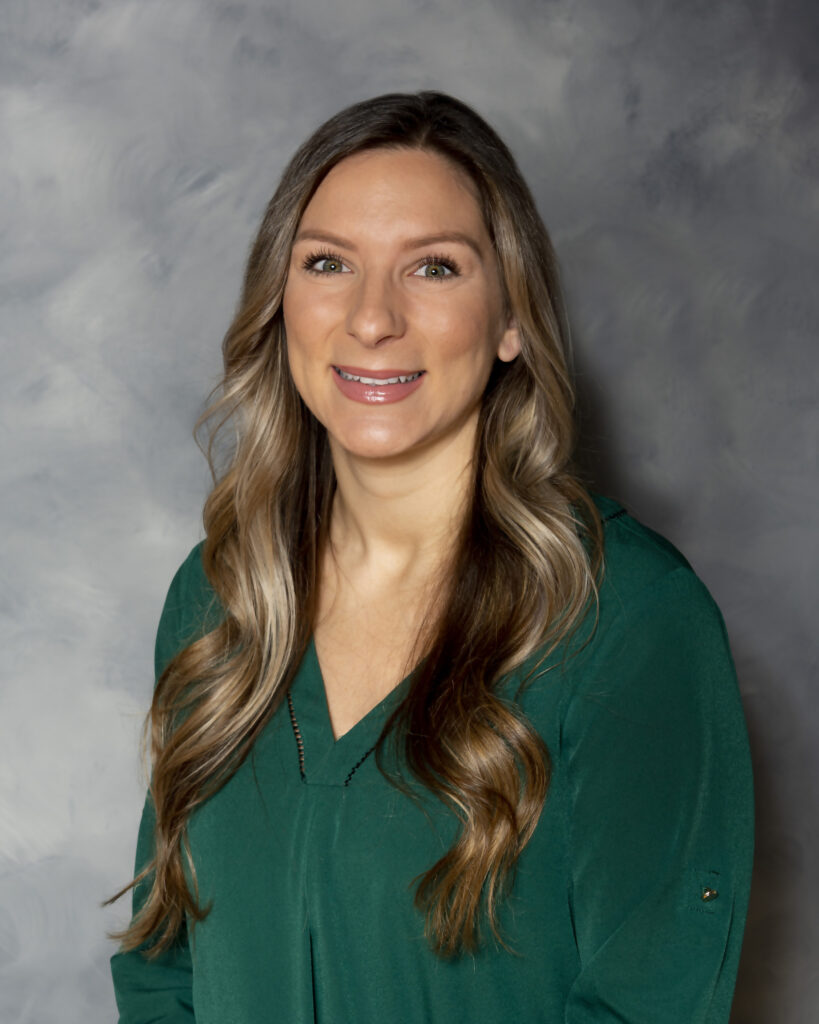
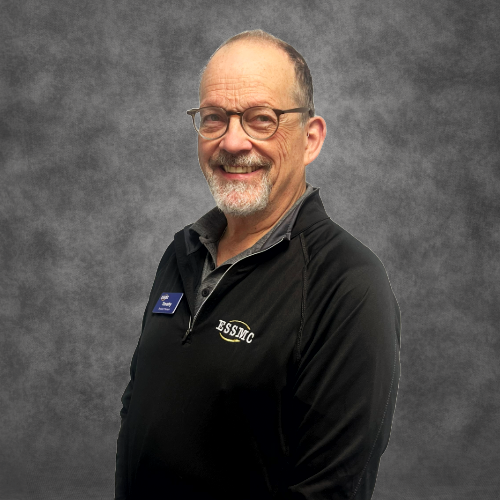
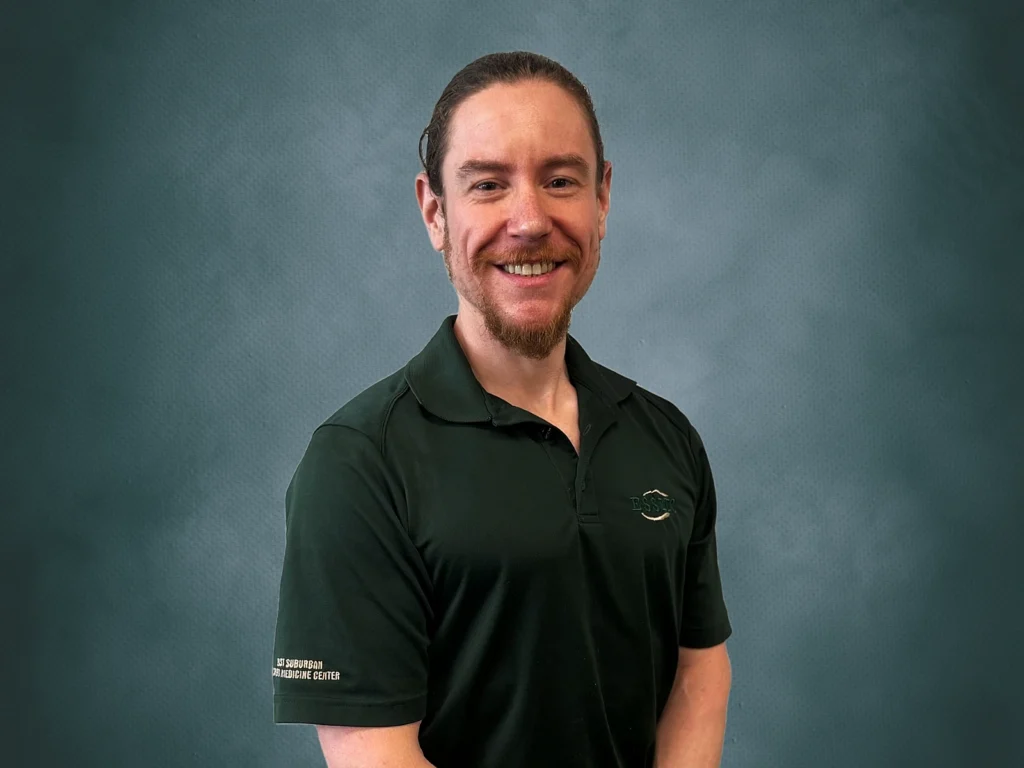
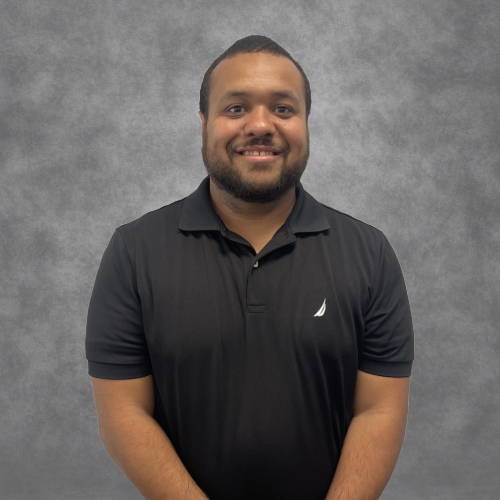
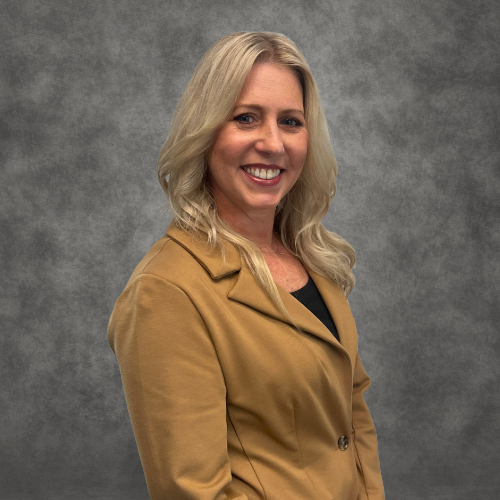
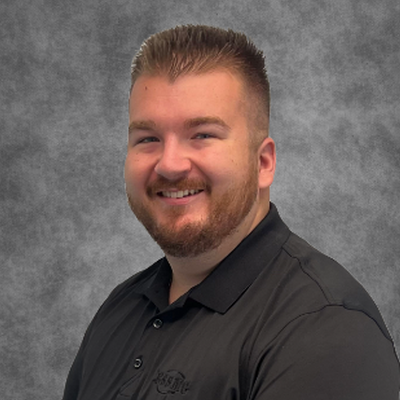
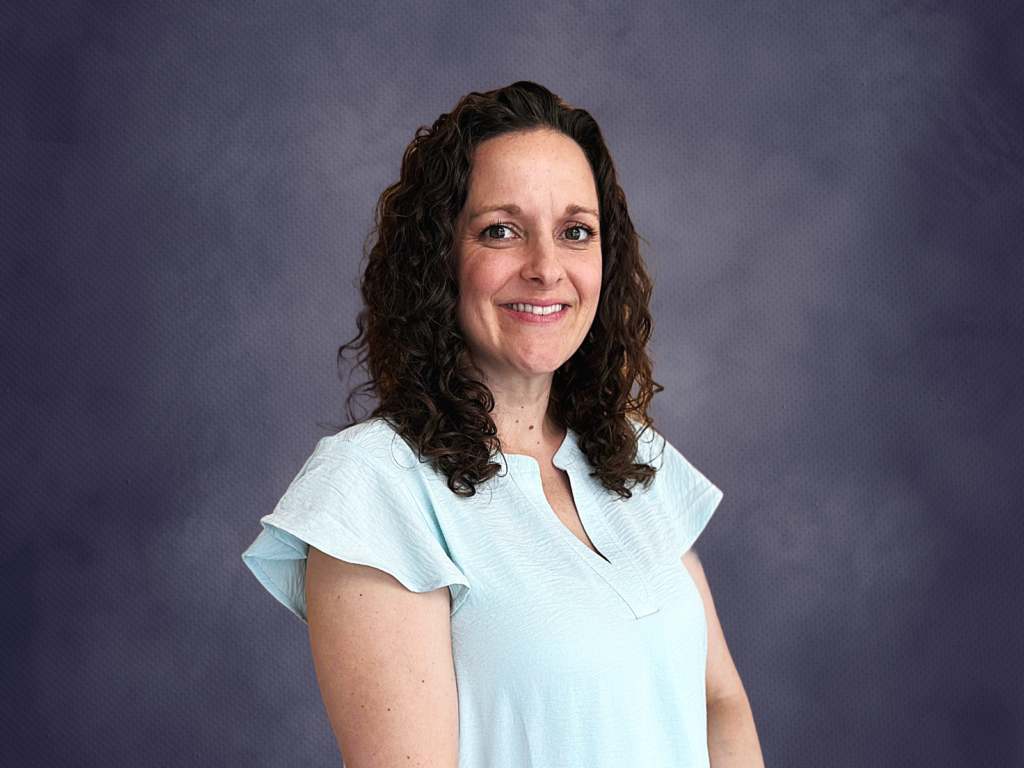
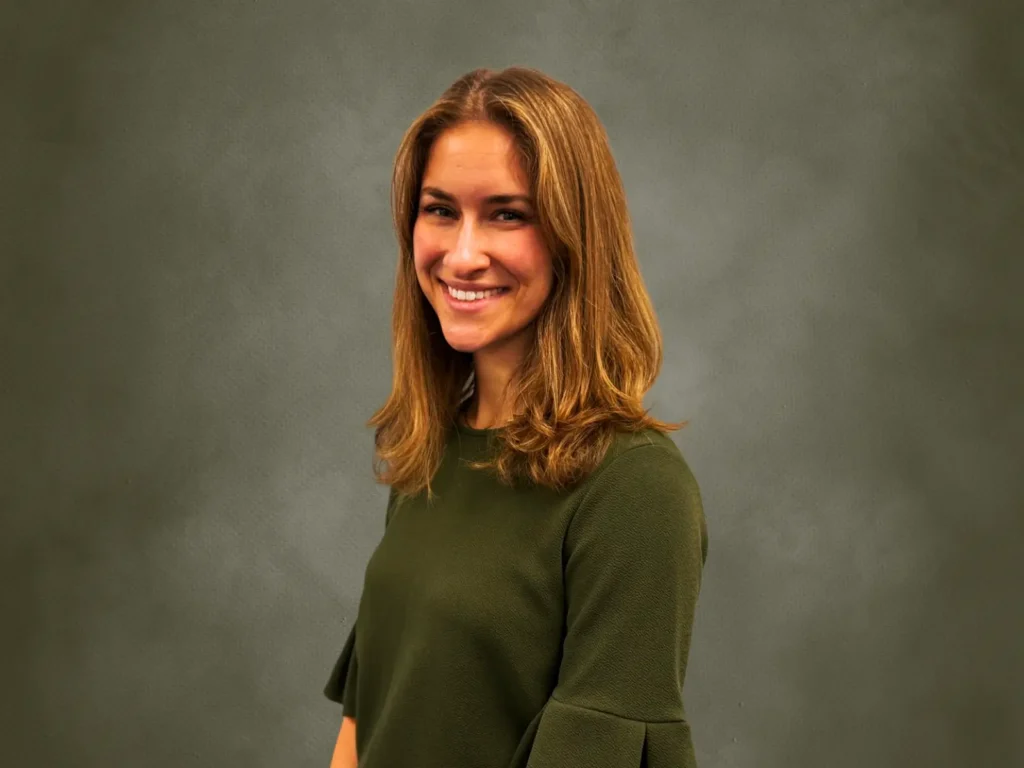
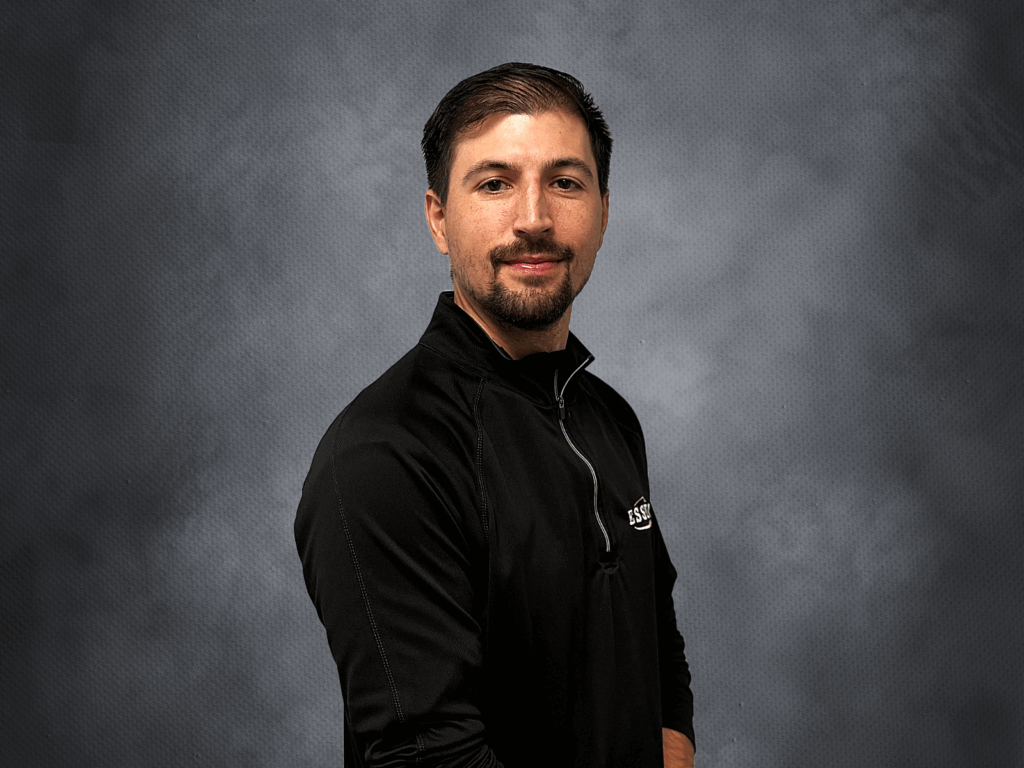
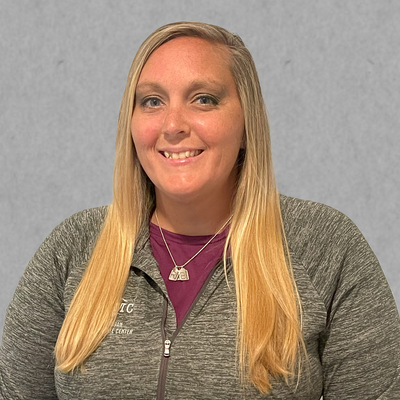
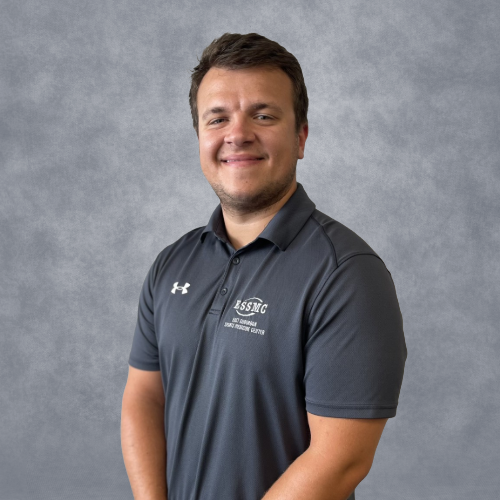
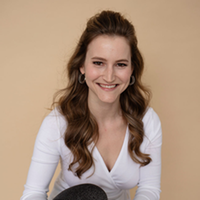
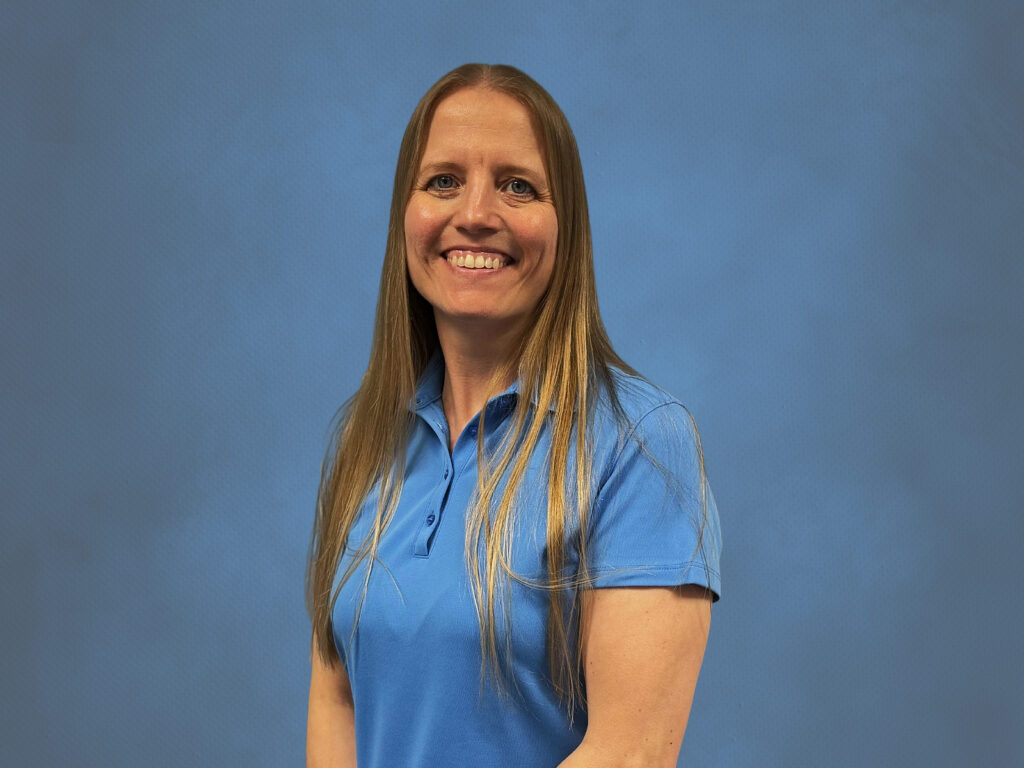
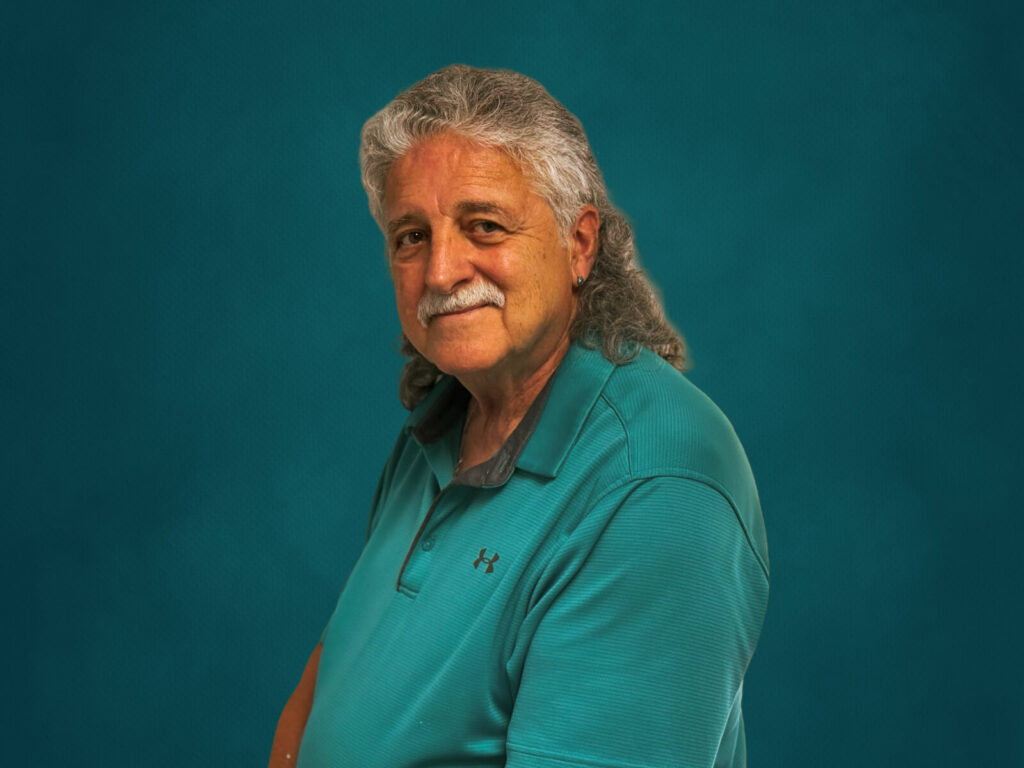
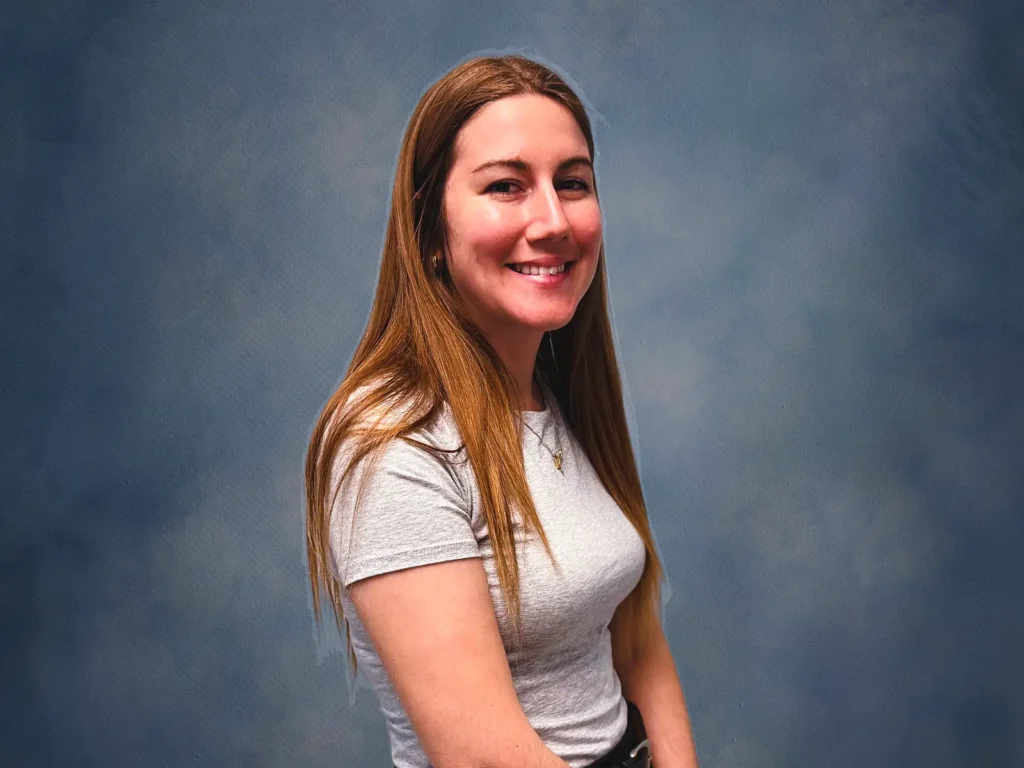
Meet Our Expert Care Team
Our East Suburban Sports Medicine practice staff includes therapists, nutritionists, and certified athletic trainers who are all skilled in the latest rehabilitation therapy methods. This diverse team allows us to support both individual patients and local sports teams through high-quality outpatient orthopedic, sports medicine, and physical therapy care in Pittsburgh's eastern suburbs.



We Diagnose and Treat a Wide Array of Physical Conditions
We Accept Most Insurance
The East Suburban Sports Medicine Center, or ESSMC, is able to work with a wide range of insurance policies. Please click the link below for the complete list. If you do not find yours listed, or have any questions related to coverage, please contact us as well as your insurance company. Our staff will do our best to answer your questions and help you prepare for your visit.

ESSMC - Physical Therapy Center Pittsburgh, PA
The East Suburban Sports Medicine Center (ESSMC) has more than 40 years of experience providing physical therapy, athletic training, and occupational therapy services to the East Pittsburgh area. Through our services and prescribed rehabilitation regimens to address specific injuries and illnesses, we help patients lead more comfortable and fuller lives.
Our services see fantastic success rates thanks to our staff, which has over 150 years of combined experience treating orthopedic and sports injuries. Our staff of therapists and certified athletic trainers are each skilled in the latest rehabilitation therapy methods. With diverse backgrounds in training and education alike, each team member brings with him/her the best from their particular physical therapy background and program. This allows our practice as a whole support to both individual patients and many local sports teams in their health needs and goals.